
- Courses
- CPCS Compact Crane (A66)
- Open Course
CPCS Compact Crane (A66) - Open Course
Open courses
From £595 + VAT
Traditional classroom available UK wide
What is a CPCS Compact Crane (A66) Open Course?
Open Courses are face-to-face training courses that are held at a training venue. Due to the nature of CPCS training and the practical elements involved, they suit only this type of training, they are not suitable for virtual or on-site delivery.
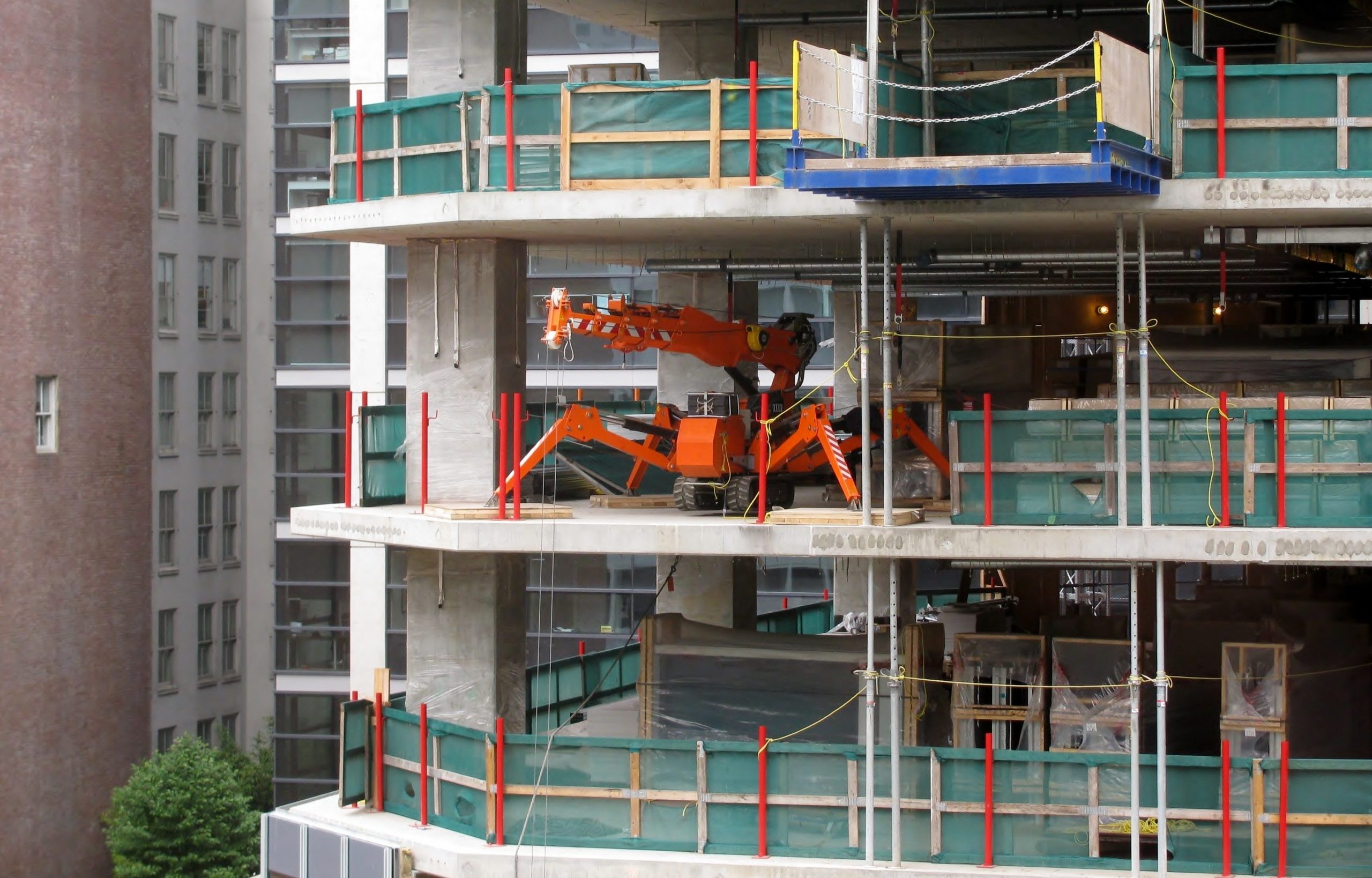
The compact crane (often called a spider or mini crane) is a useful piece of equipment that can be used in many industries such as construction, maintenance, entertainment, and events. It is designed to be small and easy to move, making it perfect for use in small or crowded areas. Additionally, its ability to lift heavy loads makes it an asset for any job that requires lifting or moving large objects.
People who operate compact cranes need special training to do it safely. The CPCS A66 Compact Crane training course is designed for beginners and people who have some experience. By the end of the course, you’ll be ready to take the CPCS tests and become a certified Compact Crane Operator.
CPCS Compact Crane Training - Key Information
-
Foundation and Experienced courses available
-
Complete this course to apply for your Red Card or to keep your Blue Card up to date
-
CPCS is the most recognised qualification for operating plant in the UK
-
Practical, hands-on training course
-
You must hold the relevant CITB health, safety and environment test (less than 2 years old)
-
Theory assessment and practical CPCS technical test

CPCS Compact Crane Course Details
On receiving payment for your Compact Crane training course, an email with your ‘course joining instructions’ is sent to you.
This document includes the following details:
- Your chosen course start date and subsequent dates (this course runs between 2 and 4 days)
- Course start time at your chosen venue
- Address of your chosen venue, including a map screenshot
- Details of what to do if you need any special requirements to complete the course
You need to bring photographic ID, such as a driving licence or passport with you.
Lunch is not included, so please provide your own.

CPCS Compact Crane Course Content
You will cover the following content on your CPCS Compact Crane training course:
- The purpose of principle components, controls and terminology
- Conforming with manufacturer requirements and relevant regulations and legislation
- Undergoing pre-use plant checks and configuring the machine ready for travel
- Manoeuvring the crane in confined spaces
- Setting up rated capacity indicators or load moment indicators for lifting duties
- Identifying the weights and centres of gravity of loads
- Lifting various loads using the full radius and slewing or steering capabilities of the crane
- Accurately placing loads, minimising the swinging of loads
- Complying with signals and instructions
- Understanding the procedures for lifting and towing
What happens on a Compact Crane training course?
Most CPCS courses will run in the following format:
- Day 1 – mostly theory-based classroom training. This is to ensure that you are confident with the theory aspect before you go out and complete the practical training. Depending on how your theory learning goes, you may get practical training for some of the day on your first day.
- Day 2 and 3 – usually putting your theory knowledge into practice by completing the practical exercises of your training.
- On the final day of your course, you will complete your theory test preparation by completing mock exam questions, and then complete your actual assessment: the CPCS technical tests.

Assessment and Certification
You will take both a theory and practical assessment for your CPCS Compact Crane training course.
You will take a theory assessment in the form of the CPCS verbal test. You need to achieve 80%, plus full marks on any mandatory questions to pass the standard set in the theory test.
Your practical test will assess your operating ability through practical activities based on the core skills needed to operate the compact crane.
What qualification will I get on the CPCS Compact Crane training course?
- CPCS Trained Operator Card (red card) on passing the CPCS technical tests.
- CITB National Construction College e-certificate, available on request from CITB.

Entry Requirements
To be able to enrol on a CPCS Compact Crane course, you will have to have the following:
- The relevant CITB health, safety and environment test, passed no more than two years before the course start date
- Good understanding of spoken and written English.
Special Considerations
The delegate can have additional time for their theory test which is a verbal or taped verbal test. If a translator is required, this will incur additional costs and will need to be arranged in advance.
If you have any questions or concerns regarding support during the course, please contact our team on 0800 0213 263.
Popular CPCS courses
View other CPCS plant categories below:

CPCS Slinger/Signaller (A40)
The CPCS Slinger Signaller course teaches you how to safely guide lifting equipment on a construction site, including how to communicate with crane operators, check equipment, and follow site safety rules.

CPCS Appointed Persons: Lifting Operations (A61)
Complete the CPCS Appointed Persons: Lifting Operations (A61) course and learn how to safely and effectively fulfil your responsibilities when planning lifting operations.

CPCS Crane Supervisor (A62)
The CPCS Crane Supervisor course will enable you to undertake the duties of a crane supervisor through achieving the relevant CPCS card. Gaining a CPCS qualification will prove you have the relevant knowledge and skills that are in line with the industry standard.
Find a course near you
Or select a location below
Frequently Asked Questions
Here are some of the questions we frequently get asked about CPCS courses.
How long does my CPCS card last for?
How much is a CPCS course?
Request a callback
Selected course details: Open courses - CPCS Compact Crane (A66)